Stamp Duty Land Tax: rates, reliefs and worked examples
Everything on this site about SDLT in one place — the current rates and thresholds, worked calculations, 16 in-depth topic guides, and our latest analysis. Start with the rate tables, then follow the guide for your situation.
SDLT rates at a glance
These are the rates for residential and non-residential property in England and Northern Ireland, effective from 1 April 2025. Scotland charges Land and Buildings Transaction Tax and Wales charges Land Transaction Tax instead.
Standard residential rates
Main homes bought by UK residents
| Portion of price | Rate |
|---|---|
| Up to £125,000 | 0% |
| £125,001 – £250,000 | 2% |
| £250,001 – £925,000 | 5% |
| £925,001 – £1,500,000 | 10% |
| Above £1,500,000 | 12% |
Higher rates for additional dwellings
Second homes, buy-to-lets, 5% above standard
| Portion of price | Rate |
|---|---|
| Up to £125,000 | 5% |
| £125,001 – £250,000 | 7% |
| £250,001 – £925,000 | 10% |
| £925,001 – £1,500,000 | 15% |
| Above £1,500,000 | 17% |
First-time buyers
All buyers must be first-time buyers
| Portion of price | Rate |
|---|---|
| Up to £300,000 | 0% |
| £300,001 – £500,000 | 5% |
| Above £500,000 | Standard rates, no relief |
Non-residential and mixed-use
Commercial, agricultural and mixed-use property
| Portion of price | Rate |
|---|---|
| Up to £150,000 | 0% |
| £150,001 – £250,000 | 2% |
| Above £250,000 | 5% |
Companies buying dwellings over £500,000
A flat 17% applies instead of the banded rates, rising to 19% for non-UK resident companies.
Non-UK resident buyers
Add a 2% surcharge on the whole price, on top of standard or higher rates — up to 19% in total.
What SDLT looks like in practice
Each example uses the rates in force from 1 April 2025 and assumes a straightforward purchase with no reliefs other than those described.
£500,000 second home
£40,000 SDLT
5% on the first £125,000, 7% to £250,000 and 10% to £500,000. A main residence at the same price pays £15,000.
Higher rates guide£1 million additional dwelling
£93,750 SDLT
Higher rates apply across every band, against £43,750 for the same property bought as a main home.
Second home surcharge£1.5 million mixed-use property
£64,500 SDLT
Non-residential rates apply to the whole price — against £93,750 at residential rates and £168,750 at the higher rates.
Mixed-use guide£380,000 first home
£4,000 SDLT
0% on the first £300,000 and 5% on the remaining £80,000. Standard rates would cost £9,000.
First-time buyer relief£2 million non-resident second home
£293,750 SDLT
£253,750 at the higher rates plus the 2% non-resident surcharge of £40,000.
Non-resident surchargeEvery SDLT topic, in one place
16 detailed guides covering the rules, legislation, worked calculations and common mistakes behind each area of stamp duty.
Rates, surcharges and thresholds
Higher Rates SDLT (5% Surcharge)
Expert advice on higher rates SDLT (5% surcharge) on additional residential properties. Understand when the surcharge applies, exemptions, and how to avoid overpaying.
Companies Buying Property SDLT
Expert SDLT advice for companies purchasing residential property. Understand the 17% rate, the 2% non-resident surcharge, ATED, and corporate structuring options.
Non-Resident SDLT Surcharge (2%)
The 2% non-resident SDLT surcharge on residential property purchases by non-UK residents. Who pays it, how it stacks with the 5% surcharge, and planning for international buyers.
Reliefs and exemptions
Multiple Dwellings Relief (MDR) SDLT
Comprehensive guide to Multiple Dwellings Relief (MDR) for SDLT. Understand the abolition, transitional provisions, and how to claim relief on past transactions.
SDLT Replacement of Main Residence: Avoid the 5% Surcharge
Replacing your main home? You have 36 months to claim relief from the 5% surcharge, or reclaim it after completion. The conditions, deadlines and how to claim.
First-Time Buyer SDLT Relief
First-time buyer SDLT relief explained: the current £300,000 zero-rate threshold, the £500,000 taper, who qualifies, and how the 5% surcharge interacts. Specialist advice to claim the relief correctly.
Property classification
Mixed-Use Property SDLT
Specialist SDLT advice on mixed-use property transactions. Understand when a property qualifies as mixed-use, the tax savings, and how to claim non-residential rates.
Annexes and Subsidiary Dwellings SDLT
Expert SDLT advice on annexes and subsidiary dwellings. Understand when an annexe is a separate dwelling, how it affects SDLT, and whether relief applies.
Transaction structuring
Probate Property Purchases SDLT
Specialist SDLT advice on probate and inherited property transactions. Understand SDLT on acquisitions from estates, market value rules, and planning opportunities.
SDLT on Connected Party Transfers: Market Value Rules
Buying from a relative, employer or connected company? SDLT is charged on market value, not the price paid. How the rules work, plus the reliefs that reduce it.
Trusts and SDLT
Expert SDLT advice on property transactions involving trusts. Understand SDLT on transfers to trusts, bare trusts vs discretionary trusts, and trust property planning.
Linked Transactions SDLT
SDLT on linked transactions: when separate property deals are aggregated, the rate is set by the total consideration. Specialist advice to avoid overpaying or underpaying stamp duty on linked deals.
Compliance and HMRC enquiries
HMRC SDLT Enquiries
Specialist representation for HMRC SDLT enquiries. Understand enquiry time limits, discovery assessments, and how to protect your position during an HMRC investigation.
SDLT Appeals & Tribunal
Expert representation for SDLT appeals and tribunal cases. Understand the appeals process, time limits, and how to challenge an HMRC SDLT decision.
Calculate and check
Work out the likely charge, check the current thresholds, and see where reliefs change the answer.
SDLT calculator and worked examples
Band-by-band calculations for residential, additional dwelling and non-residential purchases.
OpenSecond home surcharge
How the 5% higher rates apply, when a replacement refund is available and how much it is worth.
OpenAnnexe and subsidiary dwelling relief
When an annexe changes the SDLT calculation, and the position since Multiple Dwellings Relief was abolished.
OpenUK tax rates 2026-27
SDLT, income tax, CGT, IHT and corporation tax rates and allowances in one reference table.
OpenLatest SDLT analysis

SDLT Linked Transactions: When Are Property Purchases Linked?
Buying two properties from the same seller doesn't automatically make them linked for SDLT. A practical guide to the key factors, common misconceptions and when to seek specialist advice.

SDLT Rates and Reliefs in 2026-27: A Practical Guide for UK Property Buyers
Stamp Duty Land Tax rates, the 5% additional dwelling surcharge, first-time buyer relief and specialist SDLT planning opportunities for 2026-27 property purchases.

How Much SDLT Do I Pay on a Second Home in 2026-27?
Second-home buyers pay SDLT at 5% to 17% because a 5% additional dwelling surcharge is added to every band. On a £500,000 second home, that is £40,000.

Do Non-UK Residents Pay SDLT? The 2% Surcharge Explained (2026)
Yes — non-UK residents pay an extra 2% SDLT surcharge on residential property in England and Northern Ireland, on top of standard rates and the 5% second-home surcharge. As at August 2026, that can mean SDLT of up to 19%.
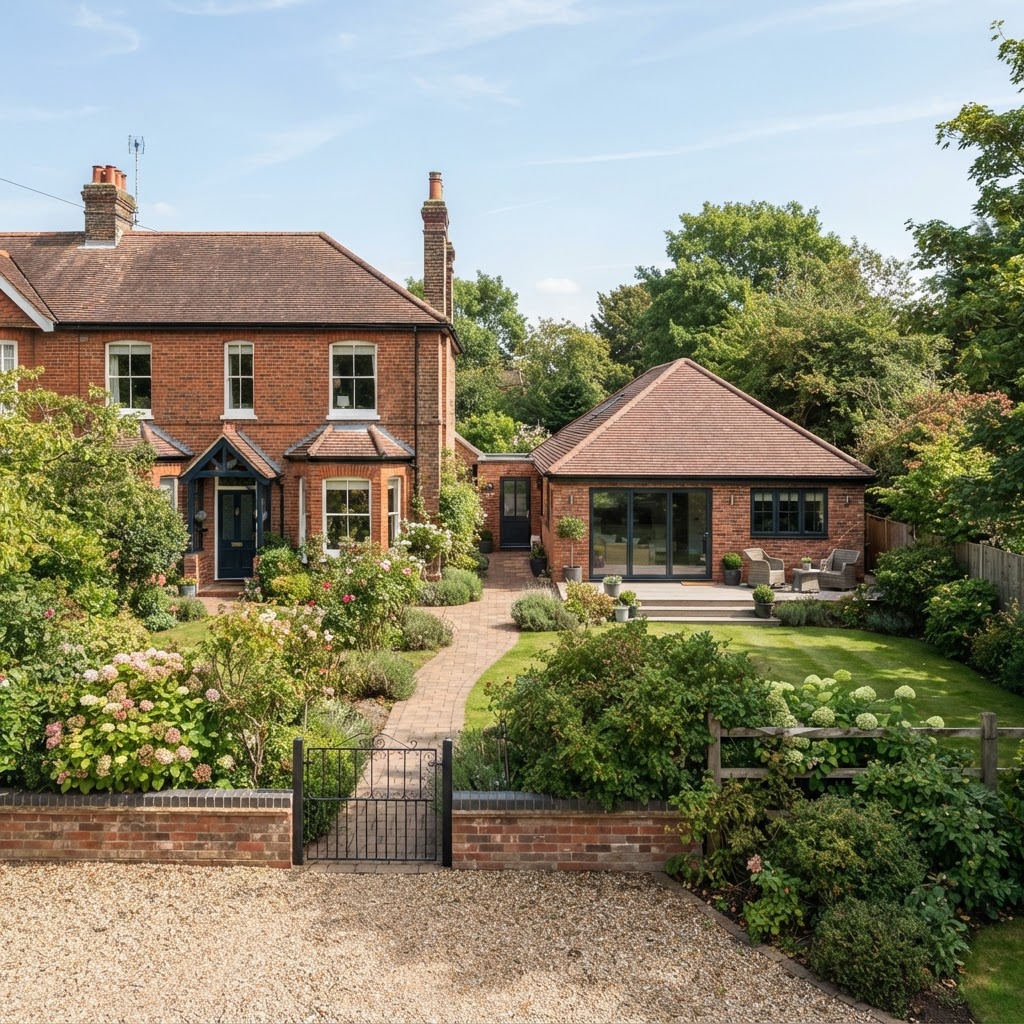
Multiple Dwellings Relief Abolished: Can You Still Claim SDLT Savings on Annexes?
Multiple Dwellings Relief (MDR) was abolished from 1 June 2024 — but retrospective claims and transitional provisions mean some buyers can still save tens of thousands. Here's what you need to know.
SDLT Relief Claims: The Complete Guide to Reducing Stamp Duty Land Tax
A comprehensive guide to every SDLT relief and exemption available in 2026. Learn how to legitimately reduce stamp duty on residential, commercial, and mixed-use property transactions with specialist planning.

SDLT Planning for London Property Buyers: A 2026 Guide
London property transactions involve some of the highest SDLT liabilities in the UK. From multiple dwellings relief to mixed-use purchases, here's how buyers can legitimately reduce their stamp duty bill.

SDLT Planning for LGBTQ+ Couples & Property Purchases
Strategic SDLT planning for same-sex couples buying property together. Save thousands on Stamp Duty Land Tax with the right approach.

How a Small Property Share Can Cost You £29,000 in SDLT
Holding even a small beneficial interest in another property can disqualify you from first-time buyer SDLT relief — and trigger the 5% higher rates surcharge. A real-world example where the SDLT bill jumped from £9,000 to £38,000.
SDLT questions we are asked most
What are the SDLT rates for 2026-27?
For a main residence in England or Northern Ireland, SDLT is 0% up to £125,000, 2% from £125,001 to £250,000, 5% to £925,000, 10% to £1.5 million and 12% above that. Buyers of additional dwellings pay 5 percentage points more in every band, so 5%, 7%, 10%, 15% and 17%.
When do the higher rates for additional dwellings apply?
The higher rates apply where a buyer already owns an interest in another residential property anywhere in the world at completion and is not replacing their main residence. The surcharge increased from 3% to 5% for effective dates on or after 31 October 2024, and can be reclaimed if a previous main residence is sold within three years.
How much stamp duty does a first-time buyer pay?
First-time buyers pay nothing on the first £300,000 and 5% on the portion from £300,001 to £500,000, provided every purchaser is a first-time buyer and the purchase is their only or main residence. Above £500,000 no first-time buyer relief is available and standard rates apply to the whole price.
Does SDLT apply in Scotland and Wales?
No. Stamp Duty Land Tax applies only in England and Northern Ireland. Scotland charges Land and Buildings Transaction Tax (LBTT) and Wales charges Land Transaction Tax (LTT), both with different bands and reliefs.
Can SDLT be reclaimed if a return was wrong?
Yes. An SDLT return can normally be amended within 12 months of the filing date, and overpayment relief claims can go back further where the tax was not due. Where the higher rates were paid and a previous main residence is sold within three years, the refund must be claimed within 12 months of the sale.
Need the position checked before you exchange?
SDLT turns on the facts of the transaction — the property's classification, what you already own, and how the purchase is structured. We review transactions before completion and after the return has been filed.